
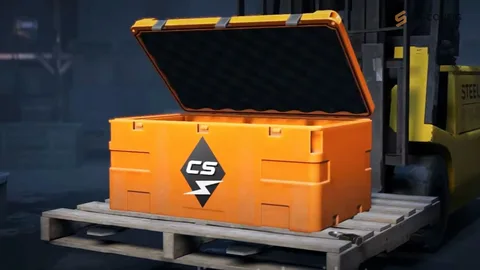
For many players, the idea of cs2 cases trade starts as a simple way to refresh an inventory—but it quickly turns into something more strategic. Cases aren’t just containers with random rewards; they’ve become part of a fast-moving ecosystem where timing, demand, and platform choice all matter. What looks like a casual exchange often reflects deeper decisions about when to buy, when to sell, and when to hold.
Why Cases Stay in Constant Circulation
Unlike rare skins that can sit untouched for months, cases tend to move. They’re accessible, easy to understand, and always tied to the possibility of something better. That alone keeps them relevant across different types of players—from those chasing specific outcomes to those simply looking to trade up.
There’s also a practical side. Cases are easier to price and compare, which makes them more liquid. When you list one, there’s a higher chance someone else is already looking for it. That constant activity creates a loop: more trades lead to more visibility, and more visibility keeps trades going.
Where Players Actually Trade
The in-game system still exists, but most active trading happens outside of it. External platforms give players more flexibility—faster exchanges, clearer pricing, and access to a much larger pool of users.
Each type of platform has its own feel. Some are built for speed, letting you swap items almost instantly without worrying too much about small price differences. Others are more about control, where you can set your own listings and wait for the right offer. Neither approach is “better”—it depends on what you’re trying to do.
What matters is understanding the trade-off. Faster platforms mean less waiting but sometimes slightly lower returns. Slower, listing-based systems can bring better deals, but only if you’re willing to be patient.
Buying Smart vs. Buying Fast
Not every purchase is equal, even if the item looks the same. Some players buy cases just because they’re trending, while others look for moments when attention hasn’t caught up yet. That difference in approach often separates random trades from more consistent results.
A smart buy usually comes down to context. Is the case tied to a weapon that’s currently popular? Has it been featured recently in streams or tournaments? Is there a sudden spike in listings that might push prices down temporarily?
Answering those questions doesn’t guarantee success, but it gives you a clearer sense of whether you’re stepping into momentum or chasing it too late.
Selling Without Leaving Value Behind
Selling is where most players lose potential value—not because they choose the wrong item, but because they rush the process. It’s tempting to offload cases quickly, especially when you see others doing the same. But quick decisions don’t always match the best timing.
There’s a noticeable difference between selling into demand and selling during a quiet period. When interest is high, cases tend to move faster and at slightly stronger prices. When things slow down, even good items can sit longer or require price adjustments.
That’s why many players don’t sell everything at once. Instead, they stagger their listings or wait for moments when activity picks up. It’s a small shift in approach, but it often leads to better outcomes.
The Role of Visibility
One thing that’s easy to overlook is how much visibility affects trading. Two identical cases can perform differently simply because one is easier to find. Platforms that highlight listings, sort by activity, or promote certain items can quietly influence which trades happen first.
This doesn’t mean you need to game the system, but it does mean you should pay attention to how your items are presented. Adjusting a price slightly or relisting at the right time can make a difference, especially in crowded categories.
Over time, these small decisions add up. Players who stay aware of how platforms surface listings tend to move items more efficiently than those who treat every listing the same.
Trading as a Playstyle
At some point, case trading stops being a side activity and starts feeling like its own part of the game. Some players treat it casually, using it to tweak their loadout. Others lean into it more seriously, tracking trends and adjusting their approach based on what’s happening in the market.
Neither approach is wrong. The difference is in how intentional the decisions are. Players who think about timing, demand, and platform dynamics tend to get more out of the system—even if they’re not chasing maximum profit.
Why It Keeps Evolving
The CS2 ecosystem doesn’t stay still for long. Updates, community trends, and platform changes all feed into how cases are traded. What works one month might not work the next, and that’s part of what keeps the system interesting.
For players, this means there’s always something to adapt to. You’re not just reacting to prices—you’re reacting to shifts in attention, behavior, and opportunity. And in a space where everything moves quickly, that awareness becomes just as valuable as the items themselves.