
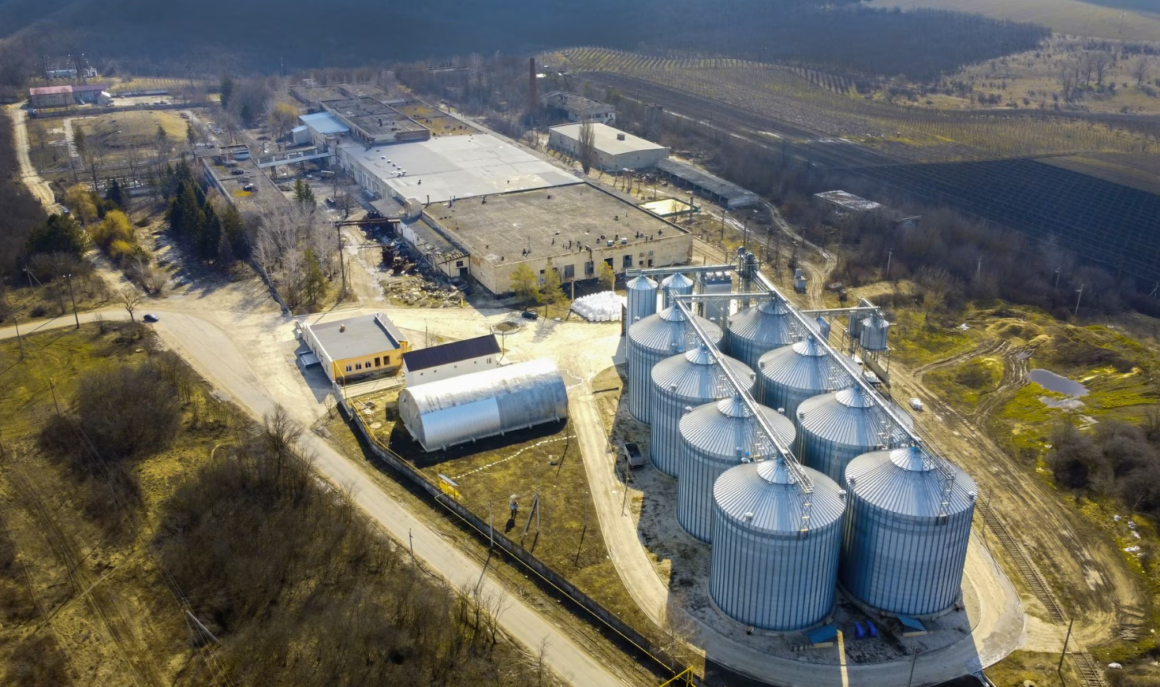
Industrial facilities depend on reliable fuel systems to maintain production, heating, material handling, and other essential operations. When fuel management is poorly planned, interruptions can affect productivity, safety, equipment performance, and operating costs. A structured approach helps facilities maintain dependable fuel supplies while reducing unnecessary risks.
Fuel management involves more than simply storing enough fuel for daily operations. It includes selecting appropriate storage arrangements, monitoring consumption, inspecting equipment, controlling transfers, maintaining supply continuity, and ensuring that personnel understand safe operating procedures. These responsibilities become especially important in demanding environments where equipment operates continuously or where interruptions can have significant consequences.
Liquefied petroleum gas (LPG), including propane, is used in many industrial applications because it can provide a concentrated source of energy for equipment and processes. However, its storage and handling require appropriate controls. OSHA’s requirements for LPG address containers, valves, regulators, transfer operations, storage locations, safety devices, and related equipment.
Understanding Industrial Fuel Requirements
Reliable fuel management begins with understanding how much fuel an operation actually needs. Consumption can vary considerably depending on equipment, workload, operating schedules, environmental conditions, and production requirements.
Assessing Consumption Patterns
Facilities should establish a baseline for fuel consumption rather than relying exclusively on estimates. Reviewing historical usage can help identify normal consumption levels and periods of unusually high demand.
Consumption data can also reveal operational problems. Unexpected increases may indicate inefficient combustion, equipment deterioration, leaks, extended operating periods, or changes in production activity. Establishing regular monitoring practices makes these changes easier to identify.
Fuel demand should also be considered alongside operating schedules. A facility operating around the clock has different requirements from one operating during a single daily shift. Seasonal changes can further influence demand, particularly where fuel is used for heating.
Planning for Variable Demand
Fuel planning should account for fluctuations rather than focusing only on average consumption. Production increases, emergency operations, extreme weather, or equipment changes can temporarily increase demand.
Maintaining an appropriate reserve can provide additional resilience. However, reserve quantities should be determined according to applicable safety requirements, storage capacity, consumption rates, and site conditions rather than simply maximizing the amount of fuel stored.
OSHA requirements address the location and arrangement of LPG containers, including provisions intended to reduce exposure to ignition sources, physical damage, and other hazards.
Designing Reliable Fuel Storage
Storage is one of the most important elements of industrial fuel management. Proper storage protects the fuel supply while reducing the possibility of releases, equipment damage, or interruptions.
Selecting Appropriate Storage Locations
Fuel containers should be positioned according to applicable regulations and the characteristics of the facility. For LPG systems covered by OSHA’s industrial requirements, containers and certain regulating equipment are generally located outside buildings, subject to specified exceptions.
The surrounding area should also be kept clear of conditions that could increase risk. OSHA specifically addresses the removal of readily ignitible vegetation near LPG containers and establishes separation requirements from certain flammable-liquid storage arrangements.
Industrial facilities should additionally consider vehicle movement, material handling equipment, construction activity, and other potential sources of physical damage. Where vehicle traffic could affect an LPG system, protective measures are required under applicable OSHA provisions.
Protecting Containers and Connections
Reliable storage depends on more than the tank or cylinder itself. Valves, fittings, regulators, gauges, piping, and safety devices must all be suitable for the application.
Connections should be protected against impact, tampering, excessive heat, and other environmental conditions. Containers also need appropriate foundations or supports to prevent movement and reduce stress on connected piping.
Safety relief devices are particularly important because LPG is stored under pressure. OSHA specifies requirements for relief devices and their discharge arrangements for covered LPG installations.
Improving Fuel Supply Continuity
A reliable fuel system must continue supporting operations when demand changes or supply interruptions occur. This requires coordination between fuel inventories, equipment requirements, inspections, and replenishment planning.
Establishing Inventory Controls
Inventory monitoring provides an early indication of when additional fuel will be required. Facilities can establish minimum operating levels based on normal consumption, delivery lead times, reserve requirements, and expected demand.
Regular inventory records can also help identify discrepancies. If measured fuel usage does not correspond with production activity, the difference should be investigated.
Automated monitoring can make this process more consistent by collecting information at regular intervals. However, automated systems should complement rather than replace physical inspections and established safety procedures.
Preventing Unplanned Interruptions
Fuel shortages can stop equipment unexpectedly and disrupt production schedules. A preventive approach therefore considers the entire supply cycle.
Facilities should know:
- Typical daily and weekly fuel consumption
- Expected replenishment intervals
- Minimum acceptable inventory levels
- Equipment with the highest fuel demand
- Procedures for responding to supply interruptions
- Emergency contacts and escalation procedures
- Inspection and maintenance responsibilities
This information creates a practical framework for responding before fuel availability becomes an operational problem.
Managing Fuel Transfers Safely
Fuel transfer is another critical stage in industrial fuel management. Transfer operations can introduce additional risks because personnel connect equipment, move fuel between systems, and work around pressurized containers.
OSHA requires an attendant to remain near the transfer connection during covered LPG transfer operations from the time connections are made until they are disconnected. It also establishes requirements concerning filling locations and transfer procedures.
Controlling Ignition Sources
Fuel-transfer areas should be managed to minimize ignition risks. Open flames, unsuitable electrical equipment, welding operations, and other potential ignition sources can create serious hazards where flammable gas may be present.
Industrial procedures should clearly identify restricted activities and define the conditions under which maintenance or hot work can occur near fuel systems. OSHA specifically restricts certain ignition-producing activities in classified LPG areas unless appropriate precautions are followed.
Inspecting Transfer Equipment
Hoses, connectors, valves, and fittings should be inspected according to the applicable maintenance program and regulatory requirements. Damaged components should not remain in service simply because a problem has not yet produced an obvious leak.
Routine inspections should consider physical condition, connection integrity, signs of corrosion, abnormal wear, and evidence of damage. Proper documentation helps maintenance personnel recognize recurring problems and verify that inspections have been completed.
Improving Fuel Efficiency
Reliable fuel management also involves using fuel efficiently. Higher consumption does not necessarily mean higher productivity. Inefficient combustion, poorly maintained equipment, inappropriate operating conditions, and unnecessary idling can all increase fuel demand.
Maintaining Combustion Equipment
Combustion equipment should be maintained according to manufacturer requirements and applicable safety standards. Proper adjustment and maintenance can help equipment operate consistently and reduce avoidable energy losses.
Fuel efficiency should be evaluated together with equipment performance. An unusually high fuel consumption rate may indicate that an inspection or maintenance intervention is necessary.
In multilingual industrial environments, terminology can vary between technical documents. Terms such as industrigasser may appear alongside local terminology for industrial gases, while phrases such as propan automat may occur in translated or specialized documentation concerning automated propane-related equipment. Regardless of terminology, operating procedures should use clear definitions so personnel understand the equipment and hazards involved.
Reducing Unnecessary Consumption
Operational practices can also influence fuel consumption. Avoiding unnecessary idling, matching equipment capacity to the task, maintaining appropriate operating temperatures, and promptly addressing abnormal performance can contribute to more efficient fuel use.
Energy monitoring can help identify opportunities for improvement by comparing fuel consumption with production output. Instead of examining fuel use in isolation, facilities can assess how much useful work is achieved for a given quantity of fuel.
Strengthening Inspection and Maintenance
Preventive maintenance is central to dependable fuel management. Waiting for a failure can create greater operational and safety consequences than addressing deterioration during a scheduled inspection.
Establishing Inspection Schedules
Inspection schedules should cover storage containers, valves, regulators, piping, connections, gauges, safety devices, and associated equipment as appropriate to the installation.
The frequency and scope of inspections should reflect regulatory requirements, equipment condition, operating environment, and manufacturer specifications. Industrial sites with demanding operating conditions may require more frequent attention to certain components.
OSHA’s LPG requirements include provisions covering equipment, container accessories, safety devices, piping, and protection against physical damage.
Documenting Maintenance Activities
Accurate records make maintenance programs easier to manage. Documentation can include inspection dates, identified deficiencies, corrective actions, component replacements, and follow-up requirements.
Records also help identify recurring issues. A valve or connection that repeatedly requires attention may indicate a broader design, installation, environmental, or operational problem.
Training Personnel for Fuel Management
Even well-designed fuel systems depend on properly trained personnel. Workers should understand the characteristics of the fuel they handle, normal operating procedures, emergency actions, and the hazards associated with storage and transfer.
Training should cover leak recognition, emergency shutdown procedures, safe handling practices, ignition-source controls, personal protective equipment where required, and reporting procedures.
Propane’s physical behavior is also relevant to safe system design and operation. NIST maintains technical data on propane’s thermodynamic properties across a broad range of temperatures and pressures, reflecting the importance of understanding its behavior as a compressed and liquefied substance.
Preparing for Emergencies
Fuel management programs should include procedures for abnormal situations. Potential scenarios may include a suspected leak, damaged piping, equipment failure, fire, loss of fuel supply, or unexpected pressure conditions.
Emergency procedures should identify who has authority to shut down equipment, how personnel should raise an alarm, where emergency controls are located, and when evacuation is required.
Employees should receive practical training appropriate to their responsibilities. Emergency procedures should also be reviewed periodically to ensure that personnel remain familiar with them.
Building a Long-Term Fuel Management Strategy
Reliable fuel management is an ongoing process rather than a one-time installation decision. Industrial facilities should periodically review consumption, storage arrangements, equipment condition, maintenance records, and safety procedures.
Data can support these reviews. Comparing fuel consumption with production levels can identify changes that deserve investigation. Maintenance records can reveal recurring equipment problems, while inventory data can help determine whether reserve levels remain appropriate.
A comprehensive approach combines operational planning with safety controls. Storage systems must be properly designed, transfer procedures must be controlled, equipment must be inspected, and personnel must understand their responsibilities.
For demanding industrial environments, reliability ultimately depends on coordination. Fuel availability, equipment performance, maintenance, safety, inventory control, and workforce training all contribute to the same objective: maintaining a dependable energy supply without compromising safe operations.
By treating fuel as a managed operational resource rather than simply a consumable commodity, industrial facilities can improve predictability, identify inefficiencies earlier, and reduce the likelihood of avoidable interruptions. A disciplined fuel management strategy therefore supports both operational continuity and responsible industrial safety.